



If you’re a dog owner, you know how frustrating it can be to deal with fleas. Flea treatment for dogs is essential not just for comfort but for your pet’s health. Fleas can cause itching, skin infections, and even transmit diseases, so knowing the safest and most effective options is crucial. In this guide, we’ll walk you through everything you need to know, with tips that align with veterinary suggestions.
Understanding Fleas and Their Impact
Before choosing a flea treatment for dogs, it’s important to understand what fleas are and why they’re a problem.
- What are fleas? Fleas are tiny, wingless insects that feed on your dog’s blood. They reproduce quickly, making infestations hard to control if untreated.
- Effects on dogs: Fleas can cause constant itching, allergic reactions, hair loss, and even anemia in severe cases.
- Signs of flea infestation: Look for excessive scratching, small black “flea dirt” specks in your dog’s fur, or visible fleas moving on the skin.
- Why early treatment matters: Catching fleas early makes treatments more effective and prevents your home from becoming infested.
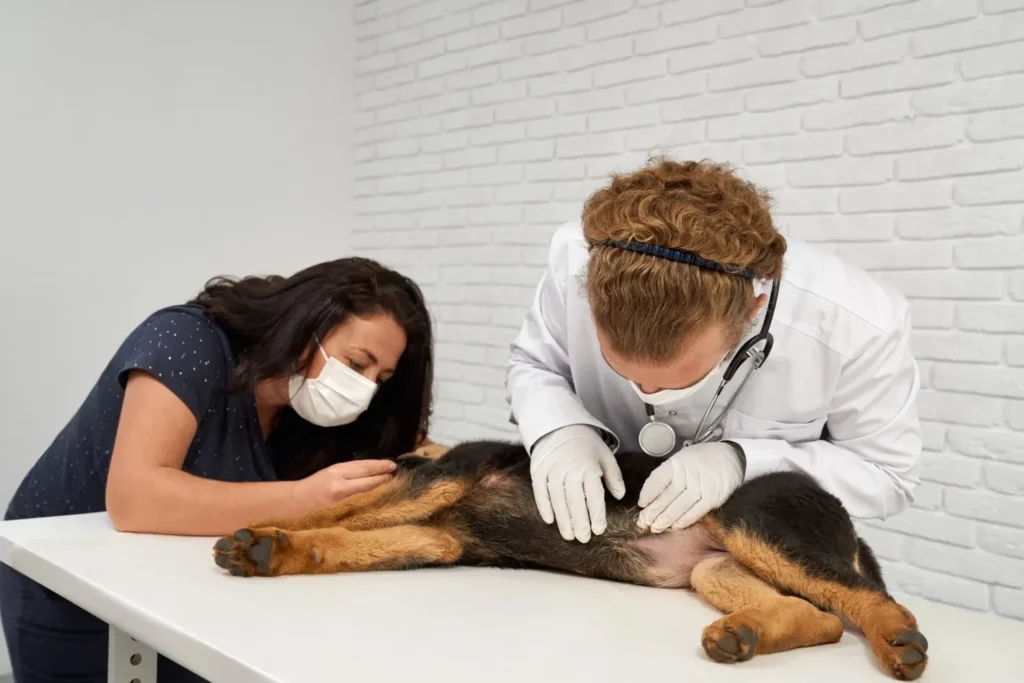
Types of Flea Treatments for Dogs
There are several types of flea treatment for dogs, each with its pros and cons. Choosing the right one depends on your dog’s needs, lifestyle, and health.
A. Topical Treatments
- How they work: Applied directly to the dog’s skin, usually at the back of the neck, these treatments are absorbed into the bloodstream to kill fleas.
- Pros: Fast-acting and can provide protection for a month or longer.
- Cons: Some dogs may experience skin irritation.
- Example: Spot-on treatments like fipronil-based products are widely recommended by vets.
B. Oral Medications
- How they work: These pills or chewables are ingested and work systemically to kill fleas.
- Pros: Highly effective and easy to administer.
- Cons: Often prescription-only and can have side effects in some dogs.
- Doctor tip: Always follow weight-based dosing and consult your vet before starting.
C. Flea Collars
- How they work: Collars release chemicals slowly to repel or kill fleas.
- Pros: Continuous protection, low maintenance.
- Cons: Less effective for severe infestations, may irritate the skin.
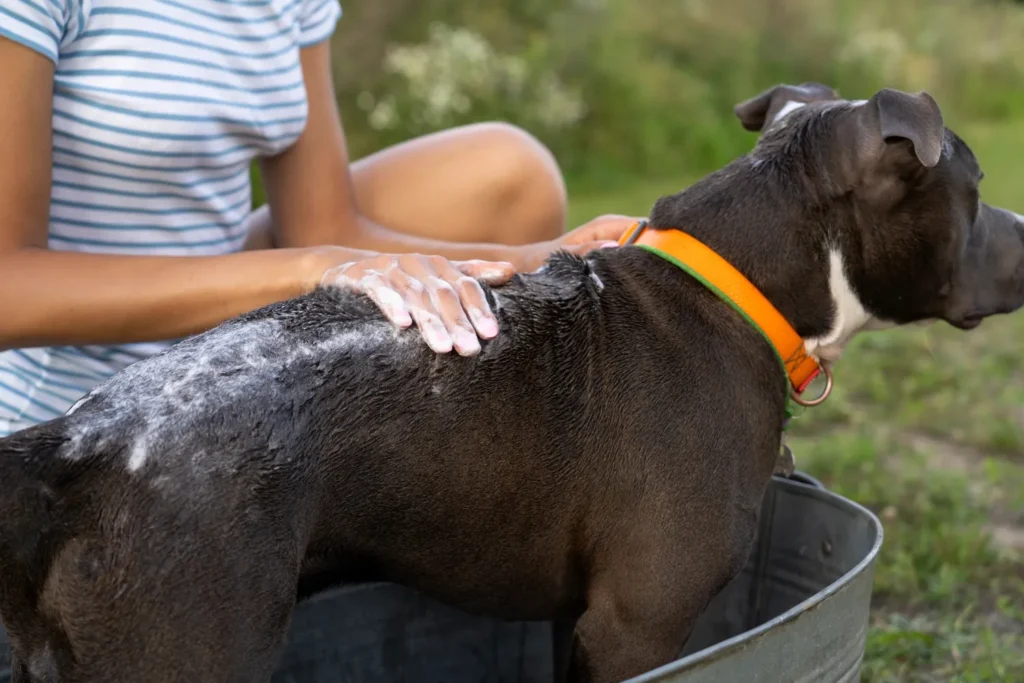
D. Sprays and Shampoos
- When to use: Immediate relief from visible fleas or itching.
- Pros: Easy for spot treatments, visible results.
- Cons: Effects are short-term; frequent application may be needed.
E. Natural or Holistic Remedies
- Examples: Essential oils (vet-approved), diatomaceous earth, herbal shampoos.
- Pros: Chemical-free, gentle for sensitive dogs.
- Cons: May not fully eliminate fleas; effectiveness varies.
- Important: Always check with your veterinarian before using natural remedies, especially on puppies or older dogs.
Choosing the Right Flea Treatment
When selecting a flea treatment for dogs, consider the following factors:
- Dog’s age and weight: Puppies and small dogs need specially formulated products.
- Health conditions: Dogs with allergies, kidney issues, or other health concerns may need specific treatments.
- Lifestyle: Outdoor dogs or multi-pet households may need stronger or long-lasting options.
- Severity of infestation: Severe infestations may require a combination of treatments.
- Budget: Compare monthly costs and duration of effectiveness.
Doctor tip: Always consult your veterinarian for personalized guidance before starting a new flea treatment.
Preventing Flea Infestations
Preventing fleas is often easier than treating them. Consider these strategies:
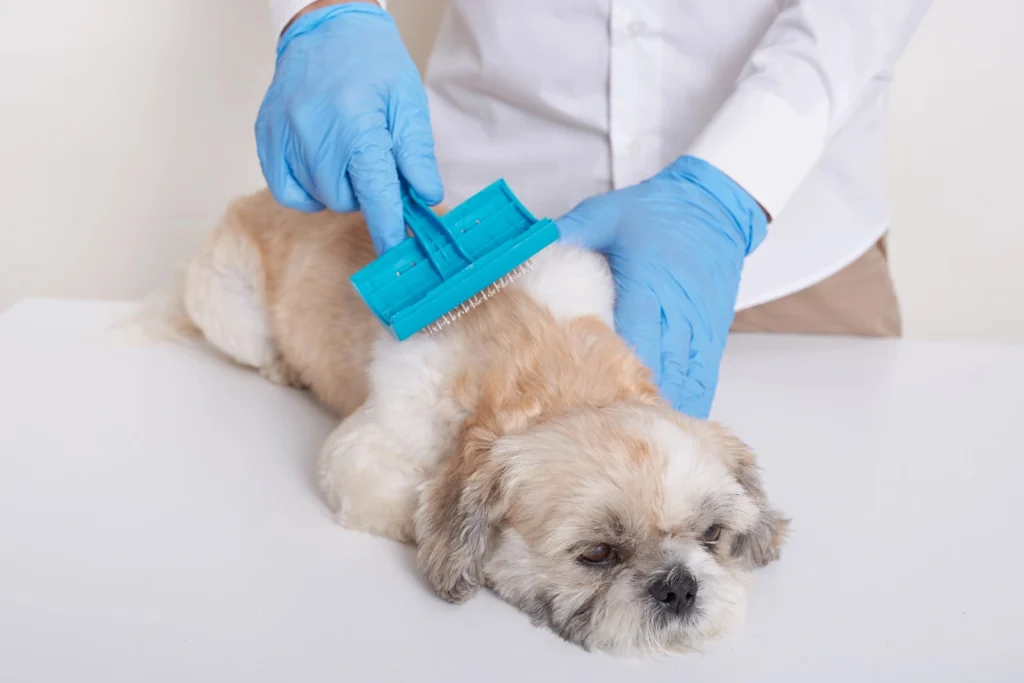
- Regular grooming and inspection: Check your dog’s coat weekly for fleas.
- Clean bedding, carpets, and furniture: Fleas can hide in your home, not just on your pet.
- Yard maintenance: Keep grass trimmed and debris removed.
- Preventive products: Use year-round or seasonal treatments based on your area’s flea activity.
Potential Side Effects and Safety Considerations
Even the safest flea treatment for dogs can have side effects.
- Topical and oral treatments: Some dogs may develop mild skin irritation, vomiting, or lethargy.
- Sensitive dogs: Puppies, seniors, or dogs with health issues need extra caution.
- Minimizing risk: Follow product instructions, apply correct dosing, and consult your vet if any reaction occurs.
Comparing Treatments: Effectiveness, Cost, and Convenience
| Treatment Type | Duration | Ease of Use | Cost per Month | Safety Profile |
|---|---|---|---|---|
| Topical Spot-On | 4–6 weeks | Medium | $$ | Generally safe; mild skin irritation possible |
| Oral Medications | 1 month | Easy | $$$ | Highly effective; vet supervision needed |
| Flea Collars | 2–8 months | Easy | $–$$ | Safe; check for irritation |
| Sprays/Shampoos | Immediate | Medium | $ | Short-term; frequent use required |
| Natural Remedies | Varies | Easy | $–$$ | Safe; effectiveness not guaranteed |
When to Seek Veterinary Help
Seek professional guidance if:
- Your dog has persistent itching despite treatment.
- There’s evidence of secondary infections or anemia.
- Severe reactions occur after using a flea product.
- Fleas continue to appear despite preventive measures.
Conclusion
There’s no one-size-fits-all solution for flea treatment for dogs. The best choice depends on your dog’s age, health, lifestyle, and severity of infestation. By understanding the options, following veterinarian advice, and practicing prevention, you can keep your dog flea-free and healthy.
Remember: consult your vet before starting any new treatment, inspect your dog regularly, and maintain a clean home environment. A little care goes a long way in keeping your furry friend happy and itch-free!
Optional FAQ
Q: Can I use flea treatment on puppies?
A: Only vet-approved products are safe for puppies. Avoid adult dog formulas.
Q: Are natural treatments effective?
A: Some natural remedies can help, but they often work best as a supplement to vet-approved treatments.
Leave a Reply